
Outlining the Body Meditation
Reconnect with your physical presence through this guided body awareness meditation. By gently tracing the outline of your body with your attention, you'll strengthen mindfulness, embodiment, and sensory awareness. This grounding practice is especially supportive during times of stress, anxiety, or emotional overwhelm. Leave feeling more present, settled, and connected to yourself. This meditation is 9 minutes long and was written and narrated by Eden Sipperly, Licensed Clinical Mental Health Counselor Associate and Reiki Master Teacher.

Advanced Alternate Nostril Breathing Meditation
Deepen your breathwork practice with this advanced alternate nostril breathing meditation. Building on the foundational technique, this practice supports nervous system balance, sustained focus, and energetic harmony. Ideal for those already familiar with alternate nostril breathing, it encourages a deeper sense of calm and mental clarity. Return feeling centered, balanced, and refreshed. This meditation is 11 minutes long and was written and narrated by Eden Sipperly, Licensed Clinical Mental Health Counselor Associate and Reiki Master Teacher.

Opening Your Awareness Through the Heart Meditation
The heart can become a powerful doorway into presence, compassion, and intuitive awareness. This guided meditation uses breath, visualization, and mindful attention to help you connect more deeply with your heart space. As you soften into openness, you'll cultivate greater emotional clarity and connection with yourself and others. Leave feeling grounded, expansive, and gently connected to the wisdom within. This meditation is 13 minutes long, and was written and narrated by Eden Sipperly, Reiki Master Teacher and Licensed Clinical Mental Health Counselor Associate.

3 Relaxing Breath Patterns Meditation
Discover three simple breathing techniques designed to calm the nervous system and invite greater relaxation. Each breath pattern offers a practical tool you can return to during moments of stress, anxiety, or overwhelm. Through gentle guidance, you'll experience how intentional breathing can quickly shift your mental and physical state. A perfect practice for daily stress relief and emotional balance. This meditation is one of many you’ll find in my published Reiki Manual to learn Level 1 and 2 Reiki through the lens of science and surrender. This meditation is 12 minutes long, and was written and narrated by Eden Sipperly, Reiki Master Teacher and Licensed Clinical Mental Health Counselor Associate.

What do I offer at The Pathway Home?
What do I offer at The Pathway Home?
This blog post is intended to serve the purpose of helping the algorithm become super clear on what it is I offer here at The Pathway Home! Let’s get into it, with full clarity.
Licensure + Relevant Trainings:
I am trained in EMDR through the certifying board of EMDRIA. With EMDR, I like to currently work on specific ‘targets’. This means that if you are already aware of a specific hurdle in your life, we will focus here. Whether through your own self-inquiry or if you already have a primary therapist whom you work with, you might recognize, for example, that a recent car accident is impeding you from driving right now, or a pit in your stomach that you notice arriving when you’re around your mother-in-law, or that you hold a story of ‘feeling incapable’ that is keeping you from moving forward in one avenue or another in your life. Whether the hurdle is a specific memory, body sensation, or mental story, we can work with that.
I offer 50 minute sessions at any increment that feels beneficial to you: some clients prefer once a week like regular talk therapy, and others like a more ‘intensive’ style of 2 sessions a week. The amount of time working together will be constantly reevaluated based on how quickly you move through this process, and is built to have a specific ‘end goal’.
I have trained with The Pearl Institute in Waynesville NC to take their Psychedelic Assisted Psychotherapy beginner course, and plan to take the intermediate course within the next year (they just started offering this very recently). This is what assists me in my understanding and ability to space hold for Ketamine Assisted Psychotherapy (KAP), which I offer underneath the supervision and licensure of Inner Path Healing here in Asheville. I also personally have benefitted from multiple (3) psychedelic assisted psychotherapy groups which is how this work became a passion of mine.
As aforementioned, I have am EMDR trained through EMDRIA. I have my Clinical Mental Health Counseling degree through Lenoir Rhyne University. I am still an Associate licensure status, meaning I have a supervisor whom I meet with weekly to ensure I’m offering the best care and practice possible. This only impacts my clients in the way that I might bring up a topic from our session to my supervisor to receive guidance on next steps and therapeutic approaches that could be beneficial to you. Sometimes I will record a session — if you ever do not want a session recorded when I ask to do so, please just let me know! Your comfortability is my #1 priority.
I also have a 200 hour yoga teacher training certification, and am a Reiki Master Teacher who teaches this modality locally and has published a Reiki manual available for purchase here (through my other business, Roaring Fork Reiki). I have over 60 meditations published on the Insight Timer app, and you can find these all published on this blog tab as well.
Experience:
My internship and first job as a Counselor was at a local recovery center, so the world of addiction is also very familiar to me. Helping folks tease out their relationship to substance or a particular behavior is a passion, and is absolutely integral in the conversation regarding psychedelic healing. At this center I led weekly groups, worked as a recovery coach, and 1:1 therapist specifically around substance use disorder with a secondary integration of mental health.
My personal life as led me through grief and integration back into the living and animate world after life-changing events, which is why this mor existential work is near and dear to my heart— and the first thing you see upon navigating to my website. I have a published grief-oriented card deck that one could purchase as a resource to connect to lost loved ones. You can find that here. I am a big believer in the importance of arriving back at the mundane, of being spiritual in a human body, laughing often, and the power of being honest. Curiosity is a pillar to my life and my therapeutic lens. You won’t find judgment here, just care and a space to keep exploring yourself out of love.
I have a long background in energetic science through my other business which is Roaring Fork Reiki. Reiki helps one regulate their own nervous system through gentle breathwork, meditation, and somatic awareness. I integrate these practices into my therapy approach, but technically keep these two businesses separate for licensure sake. If you’re just curious about reiki, you can shift to my other website, roaringforkreiki.com. This is where my lens of mindfulness comes in, as well as my psychoeducation regarding our present moment awareness, flexing the mental muscles of presence, the importance of a well-regulated therapist, and practicing utilizing our tools in real time. Mindfulness and Reiki weaves incredibly well with EMDR, helping you increase somatic awareness and integrate the mind-body connection that is, in my opinion, absolutely necessary for healing.
Payment Options:
As of 2026, I do not take any form of insurance. All of my work is private-pay, on the lower end of what you will find in Asheville. I charge $100 per 50 minute session. You can pay via credit card or bank account. I am also happy to offer a Superbill, which can be taken to your insurance to receive a refund for your therapy appointments with me, though you’ll need to check with your insurance provider specifically to see if this reimbursement out of network is something they offer.
What am I missing? Feel free to send me a message to ask any and all questions that I haven’t answered!
Be well,

Real Manifestation Meditation
Manifestation begins with awareness, aligned action, and the stories we carry about what is possible. This guided meditation invites you to clarify your intentions while cultivating the mindset and emotional foundation needed to move toward meaningful change. Rather than magical thinking, this practice emphasizes grounded presence, self-trust, and conscious choice. Leave feeling inspired, focused, and connected to what truly matters. This meditation is 11 minutes long, and was written and narrated by Eden Sipperly, Reiki Master Teacher and Licensed Clinical Mental Health Counselor Associate.

The Power of Awareness and Intention Through the Breath Meditation
Your breath has the remarkable ability to influence both your nervous system and your state of mind. In this guided meditation, you'll use conscious breathing to strengthen awareness, focus, and intentional living. As each breath becomes an anchor, you'll discover greater calm and clarity. This practice is perfect for reducing stress while reconnecting with the present moment. This meditation is one of many you’ll find in my published Reiki Manual to learn Level 1 and 2 Reiki through the lens of science and surrender. This meditation is 10 minutes long, and was written and narrated by Eden Sipperly, Reiki Master Teacher and Licensed Clinical Mental Health Counselor Associate.

Whole System Integration: Mind, Body, and Emotions Unified Meditation
Healing happens when every part of us is invited into the conversation. This guided meditation supports the integration of your thoughts, emotions, physical sensations, and inner awareness into one connected experience. Through mindfulness and gentle reflection, you'll cultivate greater wholeness and self-understanding. A nourishing practice for emotional wellbeing, resilience, and personal growth. This meditation is 8 minutes long, and was written and narrated by Eden Sipperly, Reiki Master Teacher and Licensed Clinical Mental Health Counselor Associate.

60 Minute Reiki for Truth and Stillness
Slow down and reconnect with the healing power of stillness through this one-hour Reiki meditation. Designed to encourage deep relaxation, this session invites you to soften effort and simply be present with yourself. Spacious guidance allows time for reflection, restoration, and energetic balance. Return feeling calmer, steadier, and more trusting of your own inner wisdom. This meditation is 60 minutes long, and was written and narrated by Eden Sipperly, Reiki Master Teacher and Licensed Clinical Mental Health Counselor Associate.

Moving the Mind into the Body Meditation
Many of us spend our days living almost entirely in our thoughts. This guided meditation gently shifts your awareness from the mind into the body through breath, sensation, and mindful attention. As you reconnect with your physical experience, stress begins to soften and presence naturally emerges. Ideal for grounding, emotional regulation, and reconnecting with yourself. This meditation is one of many you’ll find in my published Reiki Manual to learn Level 1 and 2 Reiki through the lens of science and surrender. This meditation is 6 minutes long, and was written and narrated by Eden Sipperly, Reiki Master Teacher and Licensed Clinical Mental Health Counselor Associate.

Practicing Opening To Your Awareness and Intuition Meditation
Your intuition often becomes easier to hear when the mind grows quiet. This guided meditation helps you cultivate awareness by slowing down, softening expectations, and becoming more present with your inner experience. Through mindfulness and gentle visualization, you'll practice recognizing the subtle wisdom already within you. A beautiful meditation for anyone exploring intuition and personal growth. This meditation is 12 minutes long, and was written and narrated by Eden Sipperly, Reiki Master Teacher and Licensed Clinical Mental Health Counselor Associate.
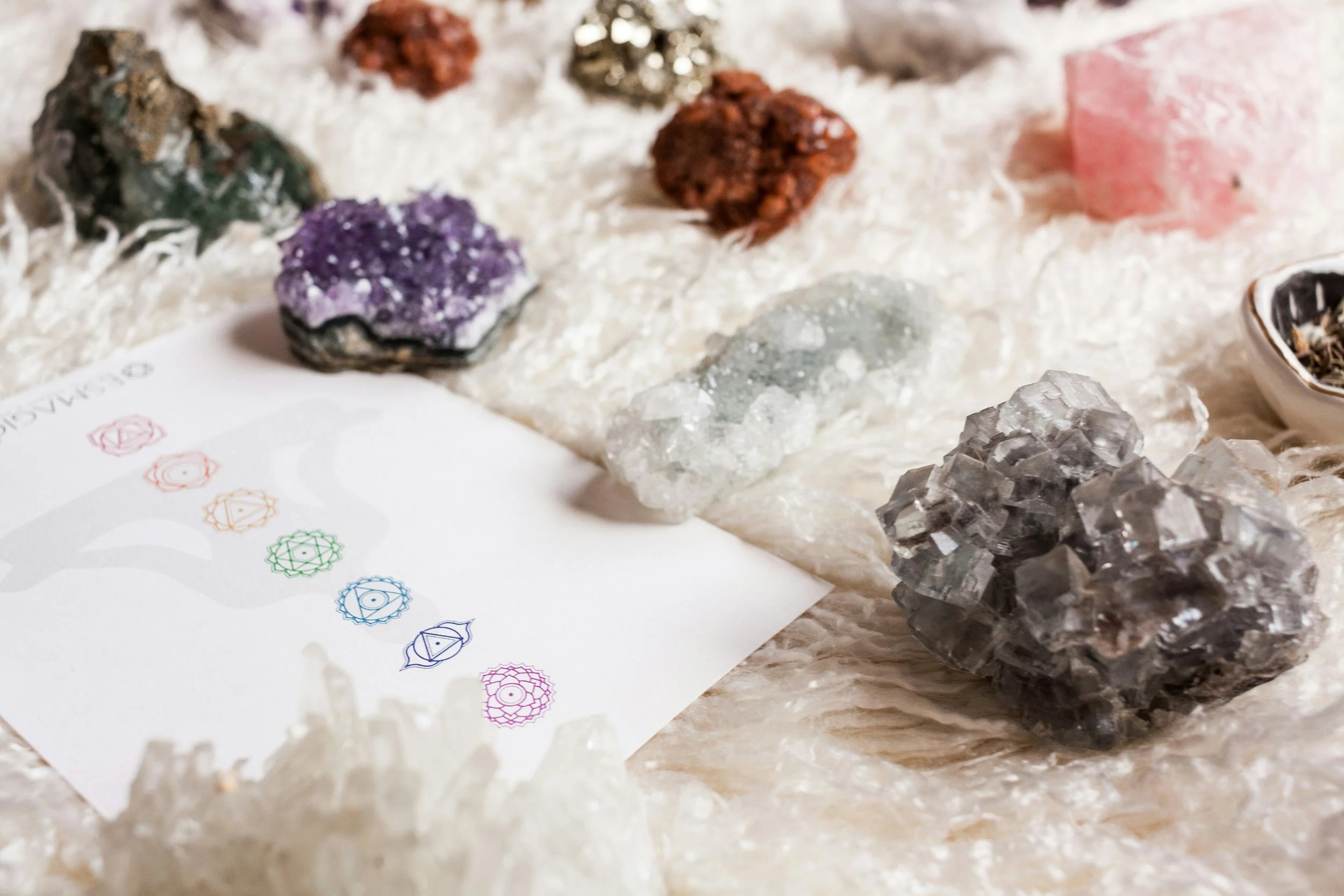
Chakra Balancing Visualization Meditation
Restore harmony throughout your energetic system with this guided chakra balancing visualization. Journey through each of the seven chakras using imagery, breath, and mindful awareness to cultivate balance and flow. This meditation supports relaxation, emotional wellbeing, and energetic alignment. Leave feeling centered, refreshed, and deeply connected to yourself. This meditation is 8 minutes long, and was written and narrated by Eden Sipperly, Reiki Master Teacher and Licensed Clinical Mental Health Counselor Associate.

The Witness Meditation
Step into the quiet observer within through this mindfulness meditation on witnessing your thoughts, emotions, and experiences. Rather than becoming caught in your inner world, you'll practice noticing it with curiosity and compassion. This simple yet profound exercise builds emotional resilience and greater self-awareness. Return with a deeper sense of calm, perspective, and presence. This meditation is 12 minutes long, and was written and narrated by Eden Sipperly, Reiki Master Teacher and Licensed Clinical Mental Health Counselor Associate.

When Birth Doesn’t Go as Planned: How EMDR Can Support Healing After a Traumatic Birth
We spend months preparing women for birth. We talk about birth plans, breathing techniques, pain management, feeding, newborn care, and what to pack in the hospital bag. Yet we spend far less time talking about what happens when the birth itself becomes frightening, overwhelming, or completely different from what someone expected.
A traumatic birth can take many forms. It might involve an emergency C-section, hemorrhage, severe pain, unexpected medical interventions, feeling unheard or powerless during delivery, fear that you or your baby might die, separation from your baby, a NICU stay, or simply an experience that moved so quickly that your mind and body struggled to keep up.
Two women can have medically similar births and experience them completely differently. Trauma is deeply personal, and the emotional impact of birth deserves to be taken seriously alongside physical recovery.
For some women, EMDR therapy can become an important part of that healing.
When the birth is over, but your body still feels like it’s happening
After a frightening experience, the brain has an enormous amount of information to process. There are sights, sounds, physical sensations, emotions, thoughts, and moments that may have happened within seconds of one another.
Sometimes that information integrates naturally with time and support. Other times, pieces of the experience continue to feel unusually present.
A mother may find herself replaying a particular moment from delivery. She might become anxious driving past the hospital, feel activated when someone asks about the birth, have nightmares, avoid thinking about having another child, or notice intense emotions when attending postpartum medical appointments.
Sometimes the response is primarily physical. A racing heart, tightness in the chest, nausea, shaking, or a sudden sense of panic may arise when something reminds the nervous system of what happened.
There can also be grief. Grief for the birth someone imagined, for the first moments with their baby that unfolded differently than expected, or for a sense of safety and trust that changed during the experience.
These are exactly the kinds of experiences we can explore in trauma-informed therapy.
How EMDR can be used for birth trauma
EMDR, or Eye Movement Desensitization and Reprocessing, helps the brain process distressing experiences that continue to carry emotional or physiological intensity.
During EMDR, we may identify particular moments from the birth that still feel especially charged. For one person, it might be hearing the words, “We need to do an emergency C-section.” For another, it might be the expression on a partner’s face, the sound of an alarm, a frightening physical sensation, or the moment the baby was taken across the room.
These moments can become what we call “targets” in EMDR.
Using bilateral stimulation while carefully attending to aspects of the experience, we allow the brain to begin processing the memory in a new way. Thoughts, emotions, sensations, images, and associations may emerge as the memory becomes more integrated.
The goal is still remembering what happened while allowing your nervous system to recognize that it happened then and you are here now.
We don’t have to process the entire birth at once
A traumatic birth can contain many different moments, and healing rarely requires squeezing the entire experience into one therapy session.
We can work gradually.
Perhaps there is one particular moment that keeps replaying. We might begin there and see where your brain takes us. Another session may focus on a different part of the birth, a postpartum complication, the NICU experience, or an emotional belief that emerged afterward.
Sometimes processing one central memory creates shifts in several connected memories. Other times, multiple experiences need their own attention.
There is room for both.
Preparation and safety are part of the process
Before beginning EMDR processing, I want to understand what you're experiencing now and make sure we have ways to help your nervous system return to the present when needed.
We may practice grounding, breathing, imagery, or other EMDR resourcing techniques. We can talk about what activation feels like in your body and identify what helps you feel steady.
Postpartum life also matters when deciding how and when to begin deeper trauma processing. Sleep deprivation, physical healing, feeding demands, medical complications, available support, and overall emotional stability are all relevant pieces of the picture.
There is no prize for processing something before you're ready.
The pace of the work should support you.
What continued EMDR care might look like
For many women, birth trauma work happens across multiple therapy sessions.
We may spend early sessions understanding the birth story, identifying the moments that still carry the most intensity, and strengthening resources for regulation. Processing can then happen gradually, followed by time to notice what shifts between appointments.
Continued care also gives us space to address experiences surrounding the birth itself.
Perhaps the birth activated an older experience of feeling powerless or unheard. Maybe postpartum recovery brought relationship difficulties, anxiety about the baby's safety, changes in body image, or grief around feeding or bonding.
Healing after birth can have layers, and therapy gives us permission to follow them as they emerge.
An EMDR intensive may be another option
Some women prefer having a longer, dedicated period of time to work specifically on their birth experience.
I offer three-hour EMDR intensives for this reason.
Rather than working within the limits of a traditional 50-minute therapy hour, an intensive gives us more space for preparation, processing, breaks when needed, and integration afterward. For someone who has a relatively clear birth-related target and feels ready to focus on it, this format can be particularly useful.
An intensive also doesn't have to mean that all healing happens in three hours. It can exist within continued therapy. Someone may complete an intensive and return for follow-up sessions, or we may use an intensive after we've already spent time preparing together.
The format can be shaped around the person rather than forcing the person into the format.
Birth trauma can affect the transition into motherhood
Processing a traumatic birth matters for reasons that extend beyond the memory itself.
The postpartum period already asks an incredible amount of a woman physically and emotionally. At the same time that she is recovering from pregnancy and delivery, she is learning her baby, navigating sleep disruption, adjusting relationships, and settling into an entirely new identity.
Carrying an unprocessed traumatic experience alongside all of that can make an already tender transition feel even heavier.
Healing can create more room for the present.
More room to connect with your body again. More room to tell your birth story without becoming overwhelmed by it. More room to experience motherhood without one frightening chapter continuing to demand so much attention.
Your birth story deserves somewhere to land
There is often enormous pressure after birth to focus on the outcome: The baby is healthy. You're okay. That's what matters.
Of course those things matter.
Your experience matters too.
You are allowed to have complicated feelings about your birth. You are allowed to love your baby deeply and grieve how they entered the world. You are allowed to feel gratitude alongside anger, sadness, fear, or disappointment.
And you are allowed to seek support for what happened.
If your birth still feels emotionally or physically present long after you've left the hospital, EMDR therapy may offer a way to help your mind and body process what you've been carrying. Whether that work unfolds gradually through ongoing therapy, across several focused EMDR sessions, or through a three-hour EMDR intensive, we can create a pace and structure that honors both your experience and the season of motherhood you're currently navigating.

Daily Chakra Alignment Meditation for Psychic Awareness
Begin or end your day by gently aligning your seven chakras through this guided meditation. As your energy centers come into greater balance, you'll cultivate clarity, intuition, and a deeper sense of inner awareness. This practice is designed to support spiritual connection while remaining grounded in presence. Perfect as a daily meditation for anyone developing their intuitive gifts. This meditation is one of many you’ll find in my published Reiki Manual to learn Level 1 and 2 Reiki through the lens of science and surrender. This meditation is 16 minutes long, and was written and narrated by Eden Sipperly, Reiki Master Teacher and Licensed Clinical Mental Health Counselor Associate.

Accessing Potential Through Your Gene Expression Meditation
This meditation explores the fascinating relationship between mindset, environment, and your body's potential for change. Inspired by the science of epigenetics, you'll use visualization and intention to cultivate possibilities rather than limitation. While meditation cannot alter DNA, it can support the habits, emotions, and perspectives that influence your overall wellbeing. Come away feeling empowered, hopeful, and connected to your capacity for growth. This meditation is one of many you’ll find in my published Reiki Manual to learn Level 1 and 2 Reiki through the lens of science and surrender. This meditation is 14 minutes long, and was written and narrated by Eden Sipperly, Reiki Master Teacher and Licensed Clinical Mental Health Counselor Associate.

Accessing Change and Steadiness Within You
Life asks us to hold both movement and stability, growth and grounding. This guided meditation explores your capacity to embrace change while remaining anchored in your inner steadiness. Through mindful awareness and visualization, you'll strengthen resilience and nervous system regulation. Leave feeling more adaptable, centered, and confident in navigating life's transitions. This meditation is 10 minutes long, and was written and narrated by Eden Sipperly, Reiki Master Teacher and Licensed Clinical Mental Health Counselor Associate.

5 Minute Centering Morning Meditation
EMDR Resourcing is a gentle therapeutic tool designed to help calm the nervous system and restore a sense of safety, stability, and grounding. In this guided meditation, you'll strengthen your Calm, Secure Place—an evidence-informed EMDR resource you can return to whenever stress, difficult emotions, traumatic memories, or overwhelming experiences arise. Whether you're preparing for EMDR therapy, actively participating in treatment, or simply seeking a safe mindfulness practice, this exercise can help build resilience and emotional regulation. Ideal for anxiety, trauma recovery, PTSD, stress relief, grounding, nervous system regulation, EMDR preparation, and emotional healing.

You Don't Always Need a Memory: How EMDR Can Help Process Anxiety, Depression, and Somatic Symptoms
You Don't Always Need a Memory: How EMDR Can Help Process Anxiety, Depression, and Somatic Symptoms

Calling on Our Guides Meditation
This guided meditation offers a gentle space to connect with your inner wisdom and whatever guides, ancestors, or spiritual support feel meaningful to you. Through grounding, intention, and quiet reflection, you'll practice listening with openness rather than expectation. Whether viewed spiritually or symbolically, this meditation encourages trust in your own intuitive experience. Return feeling supported, connected, and more at ease. This meditation is one of many you’ll find in my published Reiki Manual to learn Level 1 and 2 Reiki through the lens of science and surrender. This meditation is 7 minutes long, and was written and narrated by Eden Sipperly, Reiki Master Teacher and Licensed Clinical Mental Health Counselor Associate.